

Chrome that looked perfect in the catalog photo can look completely wrong on a truck with forty years of patina. I learned that the expensive way, and it cost me a weekend of polishing before I admitted defeat.
The finish you pick for a riding rail kit on a classic truck is not a cosmetic afterthought. It sets the entire tone of the build. Get it right and the rails read as original equipment. Get it wrong and they scream "aftermarket" from across the parking lot.
Below is what actually matters when you're choosing among the available finishes: how each one ages, what it costs, which eras it suits, and where the marketing photos lie to you.
Key takeaways
- Chrome suits factory-restoration builds but demands constant upkeep in humid climates.
- Powder coat is the most durable daily-driver option, though it hides scratches poorly on flat surfaces.
- Brushed stainless and anodized aluminum sit in the middle: less flash, less maintenance, longer life.
- Match the finish to the truck's era and condition, not to what looks best in a product listing.
- Hardware finish matters as much as the rail itself. Mismatched bolts undo a good choice.
- Rails that mount through the bed floor need a finish that tolerates road spray from underneath.
Which riding rail kit finish options actually hold up on a classic truck?
Four finishes dominate the market, and each behaves very differently once it's exposed to weather, gravel, and the occasional careless wrench.
Polished chrome
Chrome is the default answer for pre-1970 builds, and rightly so. A chrome rail on a '65 F-100 with original brightwork looks like it belongs there. The plating process gives a deep, mirror-like surface that photographs beautifully.
The catch is maintenance. Chrome on a truck that lives outside will develop pitting within a few years, faster if you're near the coast. Road salt is brutal on it. I've watched a set of chrome rails go from flawless to speckled in three winters on a truck parked outdoors in the Northeast.
Chrome also shows every fingerprint and water spot. If you enjoy detailing, that's fine. If you don't, it becomes a chore.
Powder coat (usually black, sometimes textured)
Black powder coat is what I'd put on almost any truck that actually gets used. The coating is thick, resists chipping reasonably well, and hides dust and minor scuffs. Textured powder coat hides even more.
Where it fails: deep scratches expose bare metal, and once moisture gets under the coating edge, it lifts. Flat gloss black shows swirl marks and hard water deposits more than you'd expect. Matte and textured versions are far more forgiving.
Powder coat also reads as "modern" to some eyes. On a bone-stock '56 Chevy, it can look out of place next to aged chrome trim.
Brushed stainless steel
Stainless is the quiet overachiever. A brushed finish doesn't reflect like chrome, so it doesn't demand polishing, and the material itself resists corrosion far better. It develops a soft, even sheen over time rather than pitting.
It won't win a concours trophy for originality, but on a driver-quality classic it looks honest. I'd argue brushed stainless is the best all-around pick for a truck that sees real miles and real weather.
Anodized aluminum
Lighter and cheaper than stainless, anodized aluminum comes in clear, black, and occasionally tinted variants. Clear anodized has a subtle satin look that suits understated builds.
Anodizing is a thin surface layer, though. Rock chips and hard impacts can breach it, and once breached it doesn't self-heal the way a thick powder coat might resist. On a truck that stays on pavement, it's fine. On gravel roads, expect wear.
A straight comparison of the four main finishes
Here's how they stack up on the things that actually matter after the first year of ownership.
| Finish | Upfront cost | Corrosion resistance | Upkeep | Best suited to |
|---|---|---|---|---|
| Polished chrome | Highest | Moderate; pits outdoors | Frequent polishing | Factory-style restorations, show trucks |
| Powder coat | Low to mid | Good until chipped | Occasional wipe-down | Daily drivers, work trucks |
| Brushed stainless | Mid to high | Excellent | Minimal | Driver-quality classics, wet climates |
| Anodized aluminum | Lowest | Good until breached | Minimal | Budget builds, pavement use |
The cost spread between the cheapest and most expensive option is significant, often enough to sway a build budget. But the cheapest option isn't always the cheapest over ten years.
How do you match a finish to the truck's era and condition?
This is where most people go wrong, and where I went wrong on my first attempt.
Original-condition and patina trucks
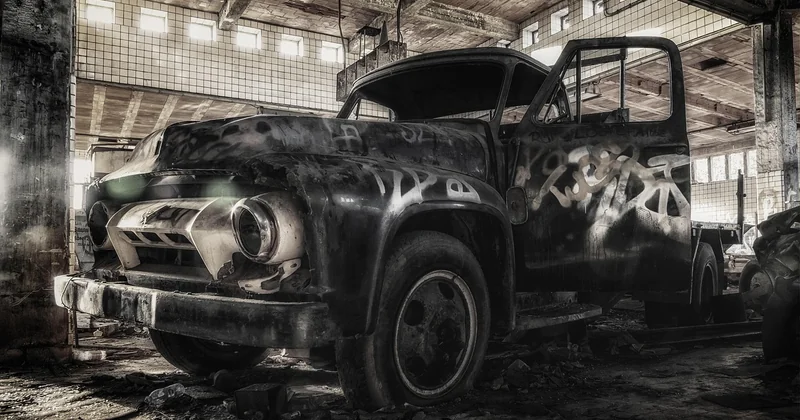
A truck with honest wear and faded paint does not want mirror chrome bolted to it. The contrast is jarring. Brushed stainless or a satin black powder coat blends with the truck's existing character.
I once put a polished chrome set on a survivor truck with oxidized paint. It looked like a set of jewelry on a work boot. I pulled them off within a month and went with brushed stainless. The difference was immediate — the rails stopped competing with the truck and started complementing it.
Restored and show trucks
If the truck has fresh paint and re-chromed bumpers, chrome rails are the correct answer. Consistency is the whole game here. Factory literature from the period will tell you what was originally available, and matching that is usually the right move for a restoration.
Restomod and custom builds
Restomods are free from period constraints. Black powder coat, textured finishes, or custom color-matching all work. Some builders have rails powder coated to match the truck's accent color, which is a nice touch if the shop can nail the color.
What about the hardware and mounting style?
The rail finish gets all the attention, but the hardware can undo it. Stainless bolts on a chrome rail look mismatched. Black oxide bolts on a stainless rail look worse.
Slotted rails — the kind with adjustable mounting points — let you position the rail exactly where you want it along the bed side. That adjustability is worth having on a truck where you're not certain of the bed dimensions. Check that the slot hardware is finished to match the rail itself; many kits ship with generic fasteners.
Mounting method matters for finish longevity. Rails that bolt through the bed floor expose their underside to road spray, which is where corrosion starts first. If your rails mount that way, a powder coat or stainless finish will survive far better than thin chrome plating.
Installation details that protect the finish
A few practical points from experience.
- Use rubber or nylon washers between the rail and the bed side. They prevent the finish from cracking at the mounting points.
- Torque to spec, not by feel. Over-tightening cracks powder coat and dents aluminum.
- Seal any through-bed mounting holes with a gasket or sealant. Water intrusion destroys the finish from underneath where you can't see it.
- Do a dry fit before tightening anything. Slotted rails have some play, and getting the alignment right first saves you from scratching the finish while wrestling them into place.
One more thing: if you're buying a kit with pre-drilled holes, verify the hole pattern against your specific bed before ordering. Old-school truck bed rails were not built to uniform dimensions across years, and a kit that claims universal fit can leave you drilling new holes — which means bare metal and a finish repair.
Does climate change the right choice?
Short answer: yes, considerably.
If your truck lives somewhere with salted winter roads, chrome is a losing bet unless you're diligent about washing the underside and reapplying protectant. Stainless handles salt far better. Powder coat survives as long as the coating stays intact, which means inspecting for chips after every winter.
In dry climates, the finish choice matters less for durability and more for aesthetics. Chrome holds up well in Arizona; it struggles in coastal Florida. That regional difference is worth factoring into your decision before you spend the extra money on plating.
Making the decision
If the truck is a driver that lives outside and sees real weather, brushed stainless is the choice I keep coming back to. It's the one finish I've never regretted. It looks right on nearly any era, needs almost no maintenance, and doesn't punish you for parking outdoors.
For a show truck or a faithful restoration, chrome is correct — and worth the upkeep.
For a budget build or a pavement-only truck, black powder coat delivers the most durability per dollar, provided you keep an eye on chips.
And if you're still torn, buy one rail of each candidate finish and hold it against the truck in daylight before committing to a full set. That hour of comparison will save you far more than it costs. The catalog photo never tells the truth about how a finish looks against forty years of paint.


