

Riding rail kit cleaning and rust removal: what I learned after ruining two sets of rails
The first time I let rust win, I was cleaning a riding rail kit in my garage in February, and I figured a quick wipe with a rag and some WD-40 would do it. Two weeks later the carriage was dragging, the wheels were grinding, and I had a nice orange stain on my hands that took three days to fade. That was a $70 mistake I don't plan on repeating.
So I went down the rabbit hole. Vinegar, citric acid, Evapo-Rust, electrolysis, Dremel wire wheels, brass brushes, dielectric grease, silicone spray. I tried almost all of them on scrap steel first, then on the real rails. Some worked beautifully. Two of them made things worse. Here's everything I actually learned about riding rail kit cleaning and rust removal, including the stuff the YouTube tutorials conveniently skip.
Key takeaways
- Surface rust on a riding rail comes off in 15–30 minutes with Evapo-Rust or a citric acid bath. Deep pitting does not come off at all — you replace the rail.
- Never use steel wool on chrome or aluminum rails unless you want permanent scratches. Brass brush or 0000 synthetic pad only.
- After any acid-based derusting, you MUST neutralize and dry immediately. Flash rust forms within hours, sometimes minutes.
- WD-40 is a water displacer, not a rust remover. It's fine as a final wipe. It is useless as a rust treatment.
- Prevention beats derusting every time. A 30-second wipe with silicone spray after each use saves you an hour of scrubbing later.
- If a rail has been wet for weeks, the rust is probably under the plating, and no chemical will bring it back.
How to remove rust from metal rails (the honest answer)
How to remove rust from metal rails depends entirely on how deep the rust has gone. Surface rust — the orange film that wipes off on your finger — is easy. Deep rust, the kind that leaves pits and flakes, is not. There is no product on the market that "restores" pitted steel back to smooth. Anyone claiming otherwise is selling you something.
First: figure out which rust you actually have
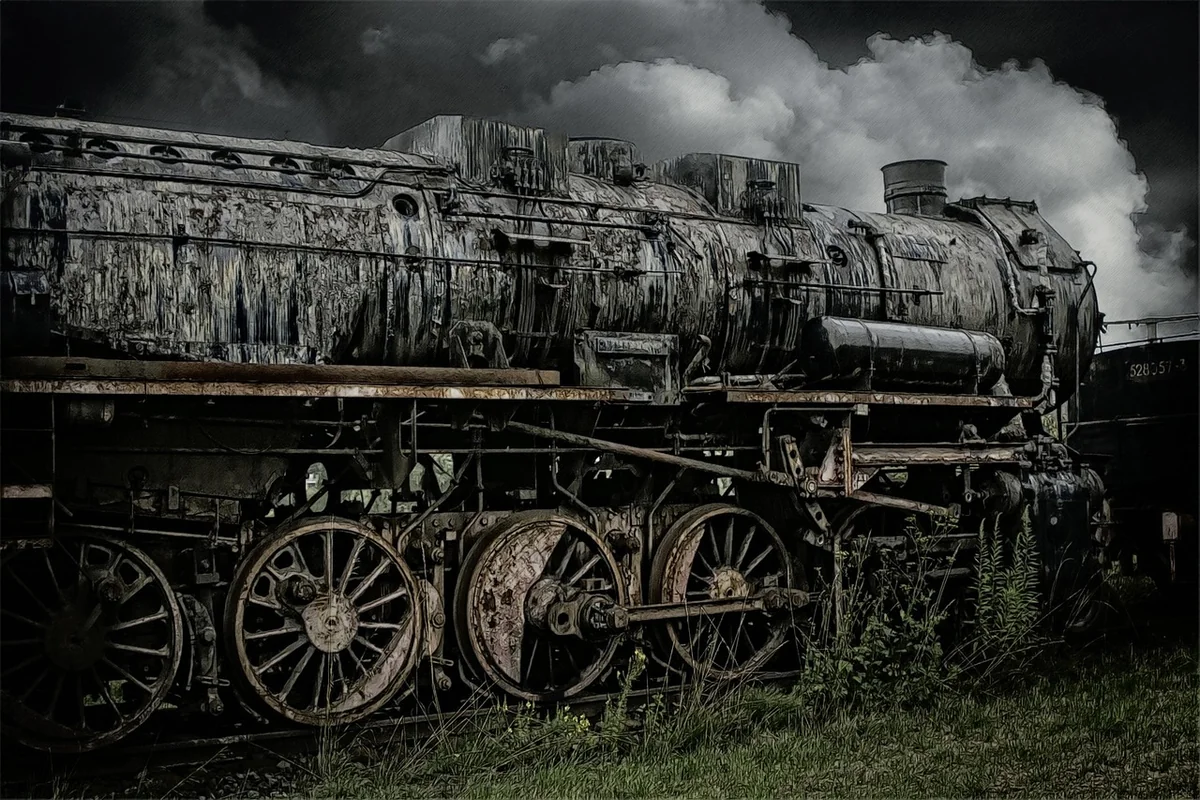
Before you buy anything, do the thumbnail test. Scrape a spot with your fingernail. If the rust comes off and reveals shiny metal underneath, you're dealing with surface corrosion. If you feel a pit, a divot, or a rough crater, you've got what metal folks call pitting corrosion, and that rail's structural integrity is already compromised.
Here's the thing: pitting on a riding rail is a genuine safety issue, not just a cosmetic one. The pits hold moisture, the moisture accelerates the next round of rust, and the cycle never stops. On my second set of rails, I tried to save money by derusting a pitted section with a wire wheel. It looked fine for a month. Then it started flaking again — worse than before, because I'd stripped the remaining protective coating.
Spoiler alert: I replaced those rails.
The four methods that actually work
Assuming you've got surface rust, here's what I've tested and what I'd use again:
- Evapo-Rust — the safest option. Non-toxic, water-based, you can leave parts submerged overnight. A 1-gallon jug runs about $25 and I've gotten 4–5 uses out of it before it goes cloudy. Works slowly but doesn't damage chrome or aluminum.
- Citric acid bath — cheap and surprisingly effective. Roughly 1 tablespoon per cup of warm water, soak 30–60 minutes. Strips rust fast. Also strips paint, decals, and any protective finish, so be careful.
- White vinegar — the classic DIY answer, and it works, but it's the slowest. I soaked a rail overnight and got maybe 70% of the rust off. The remaining 30% needed a brass brush. Vinegar also smells like a salad dressing factory for a week.
- Electrolysis — the nuclear option. You need a battery charger, washing soda, a sacrificial anode, and a well-ventilated space. It removes rust perfectly, including from inside threads and crevices. But you can absolutely ruin a part if you reverse the polarity or leave it too long. I've done it twice and only once without swearing.
What I'd skip: steel wool (scratches everything), household bleach (accelerates rust, don't ask), and "rust converter" sprays. Converters turn rust into a black primer layer, which is fine for a fence post but useless on a moving rail where tolerances matter.
A comparison you can actually use
Here's how the four main approaches stack up in my experience:
| Method | Time needed | Cost per use | Safe on chrome/aluminum? | Removes pitting? |
|---|---|---|---|---|
| Evapo-Rust soak | 1–12 hours | ~$5 | Yes | No |
| Citric acid bath | 30–90 min | <$1 | Mostly | No |
| White vinegar | 8–24 hours | <$1 | Yes | No |
| Electrolysis | 2–6 hours | ~$1 | No — strips plating | No |
Notice the last column. Nothing removes pitting. That's not a product limitation, that's physics.
The step-by-step protocol I now use every time
After enough failed attempts to fill a small notebook, I settled on a routine. It takes about 90 minutes total on a moderately rusted rail, and I've never had a flash-rust comeback since.
Step 1: disassemble and photograph
Pull the carriage off the rail, remove the wheels, and take photos before you clean anything. I've lost track of screw positions more than once and had to reverse-engineer my own kit. Thirty seconds of phone photography saves an hour of confusion.
Step 2: degrease before derusting
Acid won't cut through grease. Anyone who's tried citric acid on a greasy rail knows what I mean — you get blotchy, half-clean metal and a nasty emulsion. A quick spray of simple green or diluted dish soap, wiped with a microfiber cloth, preps the surface properly.
Step 3: apply the deruster
My go-to is Evapo-Rust for anything with chrome or aluminum, and citric acid for bare steel. Submerge, walk away, come back in 30 minutes. If you can see rust still clinging after an hour, scrub gently with a brass brush — not steel, not stainless.
Step 4: neutralize and dry
This is the step everyone skips and then wonders why their rails rust again in a week. Any acid residue left in a pit or a thread will pull moisture out of the air and start the whole cycle over. Rinse with distilled water, dry with compressed air if you have it, then immediately hit it with a hair dryer or heat gun on low. Warm metal dries faster and drives residual moisture out of crevices.
Step 5: protect it
Within five minutes of drying, apply your protection layer. I use a thin coat of silicone spray on the sliding surfaces and a small dab of dielectric grease on any electrical contacts. On painted rails, a light wipe of machine oil works fine. What you choose matters less than doing it while the metal is still warm.
Mistakes I see people make (because I made them too)
"I'll just use WD-40"
WD-40 is a water displacer. It's great for pushing moisture off a surface. It is not a rust remover, and it doesn't stop rust long-term. I've watched people spray a rusted rail, see the orange fade to brown, and assume the job is done. Two weeks later the rust is back and now it's under an oil film, which makes the next cleanup harder.
Using steel wool on chrome
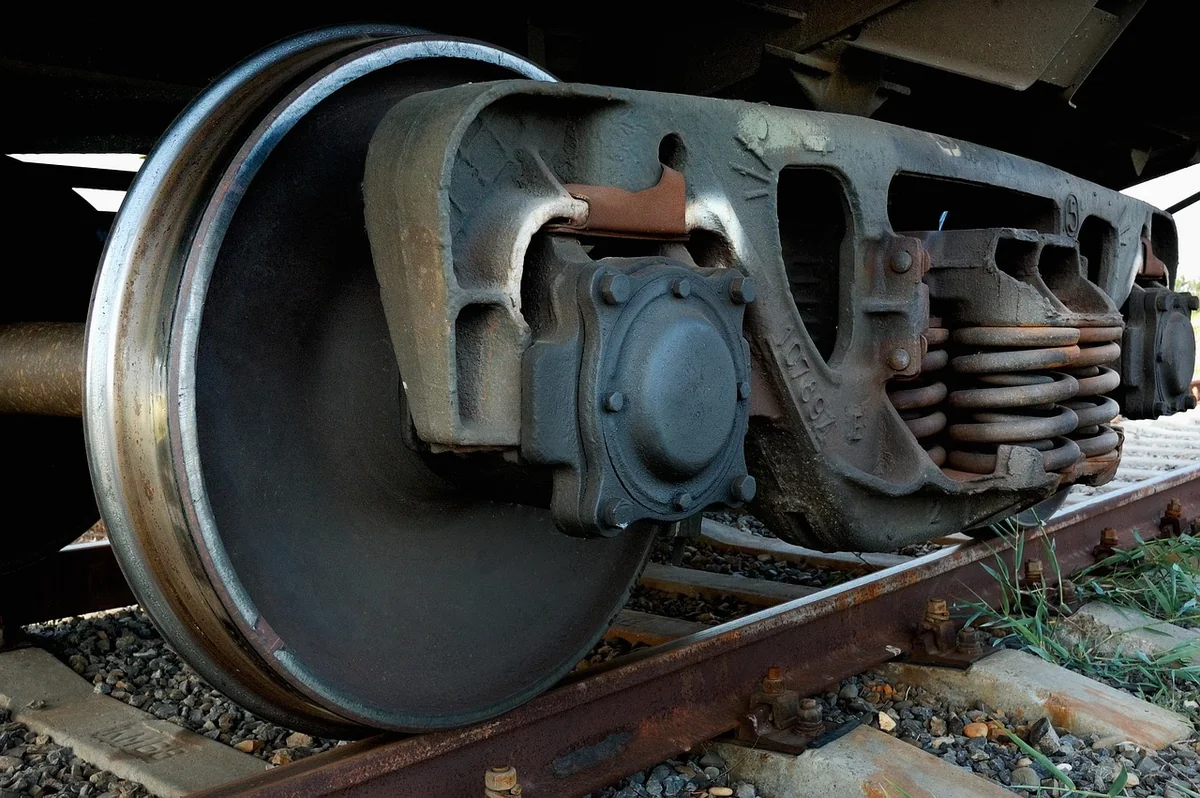
Steel wool feels gentle in your hand. It is not gentle on chrome. It leaves thousands of micro-scratches that hold water, trap dirt, and become rust nurseries. Use 0000 synthetic pads or brass, full stop.
Leaving parts to soak "a little longer"
Vinegar is acidic. Citric acid is acidic. Both will happily eat the base metal if you leave them on too long. I once forgot a small steel bracket in vinegar for three days. It came out looking like Swiss cheese. Timing matters.
Not wearing gloves
Real talk: Evapo-Rust is marketed as skin-safe, and it mostly is, but prolonged exposure still dries out your hands badly. Citric acid stings on any cut. Vinegar smells like a chip shop for the rest of the day. Nitrile gloves cost pennies and save you a lot of irritation.
Prevention beats derusting every single time
Here's the part I wish someone had told me three years ago: if you spend 30 seconds wiping down your riding rail kit after every use, you'll never need to derust it again. Not once. The whole reason I got good at rust removal is that I was bad at prevention.
My current routine is embarrassingly simple. Microfiber cloth, a spray bottle of silicone, one pass over the sliding surfaces, done. The rails on my current kit are two years old and look almost new. The ones I neglected two years before that are scrap metal in a bin somewhere.
If your kit lives in a damp garage or a basement, add a couple of silica gel packets inside the storage case. Cheap, effective, and you'll forget they're there until you notice the rust never came back.
When to give up and buy new rails
Not every rail is savable, and pretending otherwise wastes time and money. Replace the rail if:
- The pitting is deeper than a fingernail thickness.
- The chrome is flaking off in sheets.
- The rail has bent or warped — rust is often the symptom, not the cause.
- You've derusted it twice already and rust returned within a month.
I know that's not the answer people want. We all want the $8 bottle of vinegar to fix a $120 rail. Sometimes it does. Sometimes the metal is already gone, and the kindest thing you can do for your kit is admit it and move on.
A riding rail kit is a mechanical system. Rust is what happens when a system loses its maintenance rhythm. Fix the rhythm and the rust stops being a problem. Ignore the rhythm and you'll be back here, reading an article like this one, at 11pm on a Sunday, scrubbing a rail you should have wiped down six months ago.
Trust me. I've been that person.


