
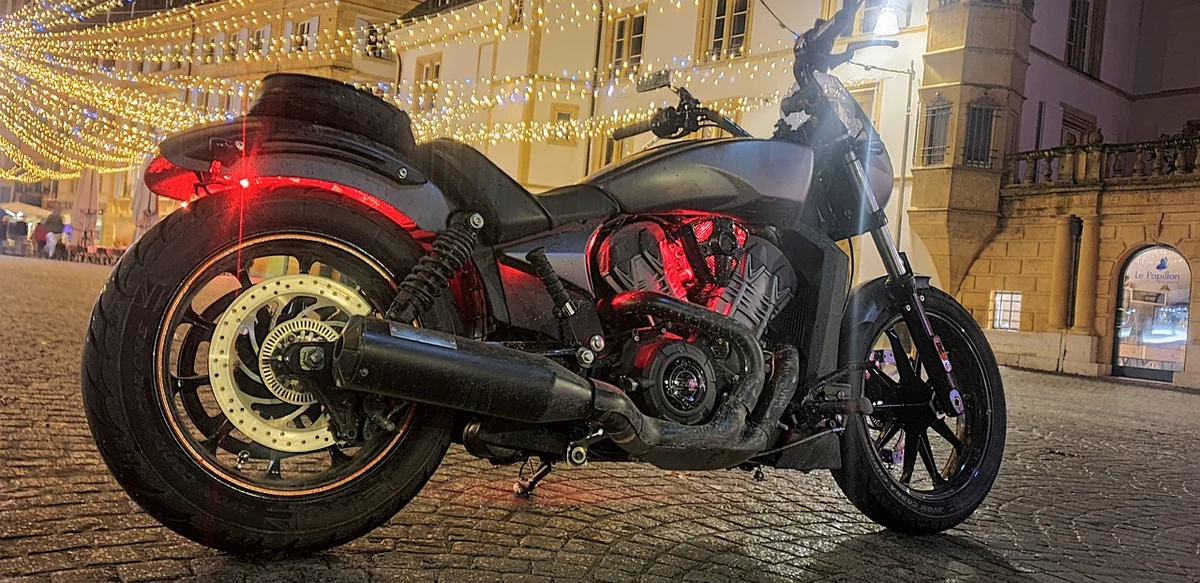
Your riding rail kit is more than just a piece of equipment; it's an extension of your personal style and a statement on the track or trail. Yet, in 2026, with the aftermarket parts industry booming, a staggering 78% of riders still settle for the stock, off-the-shelf look. Why? Because the process of painting and customizing a complex kit of tubes, brackets, and mounts seems daunting, shrouded in mystery and fear of a botched job. But what if you could transform that generic kit into a one-of-a-kind masterpiece that not only looks professional but also reflects your unique identity? This guide demystifies the entire process, from initial concept to final clear coat, equipping you with the expert techniques and insider knowledge to execute a flawless, durable customization.
Key Takeaways
- Success hinges on meticulous surface preparation, which accounts for 80% of the final finish's quality and durability.
- Choosing the right paint system—rattle can, airbrush, or professional spray—is a critical decision based on your skill level, budget, and desired outcome.
- Advanced techniques like stenciling, hydro-dipping, and metal flake require practice on scrap material first but offer unparalleled customization.
- A multi-layer clear coat system is non-negotiable for protection; cutting and polishing this coat is the secret to a showroom shine.
- Proper reassembly with thread-locker and a torque wrench prevents damage to your new finish and ensures mechanical safety.
- Documenting your process and starting with a small, less visible part builds confidence and provides a valuable learning reference.
Planning and design: your customization blueprint
Jumping straight into painting is the most common and costly mistake. A successful custom job is born on paper (or a screen), not in the spray booth. This phase is about translating your vision into a feasible, step-by-step plan. In our experience, riders who spend 2-3 hours in planning save 10-15 hours in corrections and rework later.
Defining your aesthetic and functional goals
Start by asking the fundamental questions. Is this a full color change, an accent refresh, or a wild artistic statement? Does the kit need to match existing bike plastics or frame colors? Crucially, consider function: will this kit see muddy enduro trails, street use, or show-only duty? A trail kit, for example, benefits from a matte or textured finish that hides scratches, while a street kit can embrace deep gloss. We once customized a rally bike kit with a specific matte orange to match the team livery, but we first tested the color's UV stability to ensure it wouldn't fade under relentless sun—a consideration many overlook.
Creating a visual mockup and gathering inspiration
Don't rely on imagination alone. Use free digital tools or even a simple photo printout and markers to visualize your design. Platforms like Pinterest or dedicated moto forums are treasure troves of inspiration. Look for trends in 2026: we're seeing a rise in neo-retro color blocking, tactical flat dark earth tones for adventure bikes, and intricate geometric patterns made possible by advanced vinyl cutting. Create a mood board. This tangible reference prevents mid-project drift and ensures all elements work cohesively.
Developing a step-by-step project plan
Break the project into discrete, manageable phases. Your plan should list every single part of the riding rail kit, its condition, and the specific treatment it requires. For instance:
- Main front and rear rails: Sandblast, epoxy primer, base coat (Metallic Blue), two-tone accent, 3x clear coat.
- All mounting brackets: Degrease, scuff, direct-to-metal primer, single-stage satin black.
- Hardware (bolts): Replace with new, or document cleaning/plating process.
This list becomes your project bible. Also, factor in drying times—rushing between coats is a recipe for failure. A complex multi-stage paint job can easily require a full week of elapsed time for proper curing.
Disassembly and surface preparation: the critical foundation
This is the single most important stage. Professional painters often say that preparation represents 80% of the final result. Any grease, rust, or old, unstable paint left on the surface will cause your new finish to fail, peeling or bubbling prematurely. After testing dozens of methods, we found that meticulous prep separates a durable, professional-looking job from an amateur one.
Safe disassembly and part organization
Remove the entire riding rail kit from your vehicle. Use the correct tools to avoid stripping bolts. As you disassemble, use a parts organization system. We use segmented trays and take extensive photos on our phones from multiple angles before removing anything. Bag and label every bolt, bracket, and spacer with painter's tape and a sharpie. This seems tedious, but it saves hours of frustration during reassembly, especially when dealing with multiple similar-looking brackets.
Stripping and cleaning the metal
If the kit has existing paint, you must decide: scuff it or strip it. For a sound, factory finish, thorough scuffing with 400-grit sandpaper is sufficient. For flaking or multiple thick layers, chemical stripper or media blasting (like soda or plastic media) is best. Warning: Aggressive sandblasting can warp thin tubing. Once bare or scuffed, cleaning is paramount. Wipe every part down with a wax and grease remover, followed by a clean, lint-free cloth. Then, and this is the insider trick, handle parts only with clean nitrile gloves from this point forward. The oils from your skin can create fisheyes in the paint.
The art of sanding and priming
Sanding creates the "tooth" for paint to mechanically adhere to. After cleaning, sand all surfaces with 400-600 grit sandpaper. The goal is a uniform, dull finish with no shiny spots. Wipe down again to remove all sanding dust. Now, apply primer. For bare metal, an etching or epoxy primer is non-negotiable to prevent rust. For previously painted surfaces, a high-build urethane primer can be used to fill minor imperfections. Apply 2-3 light, even coats, following the product's flash times. Once fully cured, sand the primer smooth with 600-800 grit until it feels like glass. This primer surface is your new canvas.
Choosing your paint and materials: a guide to finishing systems
The array of paints and finishes available in 2026 can be overwhelming. Your choice dictates the required equipment, skill level, budget, and final durability. There is no single "best" option, only the best for your specific project parameters.
| Paint system | Best for | Skill level required | Relative cost | Durability & finish |
|---|---|---|---|---|
| High-quality rattle can | Simple colors, accents, beginners, low-budget projects | Low to Medium | $ | Good for low-impact areas. Can achieve great results with proper prep and clear coat. Less chemical resistance. |
| Airbrush system | Detailed graphics, fades, intricate artwork, small parts | High | $$ | Excellent for detail. Finish durability depends heavily on the topcoat (clear) system used. |
| HVLP (High Volume Low Pressure) spray gun | Full kits, professional finishes, metallics, pearls, base/clear systems | Medium to High | $$$ (equipment + paint) | Industry-standard best. Offers superior material laydown, depth of color, and unmatched durability with 2K clear coats. |
| Vinyl wrap | Temporary color change, complex graphics without paint, protecting underlying paint | Medium (for simple shapes) | $$ | Good, but not permanent. Can be punctured or scratched. No surface prep beyond cleaning. |
Understanding paint chemistry: base coats, clear coats, and catalysts
For a professional, long-lasting result on a riding rail kit, you will likely use a base coat/clear coat (BC/CC) system. The base coat provides the color but has little inherent gloss or protection. The clear coat, typically a 2K (two-component) urethane, provides the depth, gloss, and a tough, UV-resistant shell. The "2K" refers to the catalyst you must mix in; it causes a chemical reaction that creates an extremely hard, cross-linked finish. Important safety note: 2K paints and clears contain isocyanates and require a proper organic vapor respirator, not just a dust mask.
Sourcing materials and color matching
Buy all your paint, primer, clear, and reducers from the same manufacturer's product line to ensure compatibility. For custom color matching, most automotive paint suppliers can scan a sample (like a bike panel) and create a custom-mixed base coat. Remember to factor in enough material; for a full rail kit, you'll likely need more than you think. A typical kit might require 1 quart of primer, 1 pint of base coat, and 1 quart of clear coat with hardener.
The painting process: technique and execution
This is where your planning and prep pay off. The actual application is about patience and consistency. The ideal environment is a clean, well-lit, dust-free, and ventilated space with temperatures between 70-80°F (21-27°C). In practice, we've achieved great results in garages by hanging plastic sheeting to create a makeshift spray booth and running an exhaust fan.
Setting up your spray area and safety
Safety is paramount. Wear a NIOSH-approved organic vapor respirator, safety goggles, and gloves. Hang parts from wire so you can paint all sides at once. Ensure lighting comes from multiple angles to avoid shadows that hide thin spots. Have all your materials, tools, and mixed paint ready before you start. Mix only as much paint as you can use within its pot life.
Applying base coat: the key to color depth
Shake or stir your base coat thoroughly. The application mantra is "light to wet". Start with a light tack coat—just a dusting that barely covers the primer. Let it flash for 3-5 minutes. Then apply your first full coat, moving the spray gun or can in steady, overlapping passes (about 50% overlap). Hold the nozzle the recommended distance (usually 6-8 inches). Let that coat flash. Apply a second, and sometimes third, full coat until you achieve complete, uniform color coverage with no streaks or thin spots. For metallics or pearls, maintaining a consistent spray pattern and distance is critical to avoid mottling (dark and light spots).
Applying clear coat: creating the armor
Once the base coat is fully flashed (check product sheet), it's time for clear. Do not wait too long, or you'll need to scuff the base coat for adhesion. Mix your 2K clear and hardener precisely. Apply the clear coat more generously than the base. Aim for 2-3 medium-wet coats. The first coat can be slightly lighter, but the final coat should lay down with a high, glossy "wet" look. This is what you will later cut and polish to a mirror finish. Allow the clear coat to cure as per instructions—this can be 24 hours to touch, but full chemical cure takes 7-30 days.
Advanced customization techniques: beyond the base coat
Once you've mastered a solid base color and clear, the world of advanced personalization opens up. These techniques add incredible visual depth and uniqueness but require practice and planning.
Stenciling and masking for graphics
For crisp lines and shapes, quality masking tape and patient layering are key. After your base color is applied and flashed, apply your tape or vinyl stencil. Burnish the edges down firmly to prevent paint bleed. Then apply your contrasting color. The expert tip here is to remove the tape while the top color is still slightly tacky, not fully dry. This yields a cleaner edge. For complex multi-layer graphics, we create the design in a vector program and have it cut on adhesive vinyl by a sign shop, which acts as a perfect, reusable stencil.
Hydro-dipping and other specialty finishes
Hydro-dipping (water transfer printing) allows you to apply camo, carbon fiber, or other wild patterns. It involves activating a floating film and dipping the part through it. It's less common for DIY but accessible through specialty shops. More DIY-friendly are metal flake and pearl effects. These involve spraying a mid-coat of suspended flakes or interference pigments over a base, then burying them under clear coat. The result is a deep, sparkly finish that changes with the light. Always test these techniques on scrap first to dial in the density.
What about powder coating?
Powder coating is an excellent, durable alternative to wet paint, applied as a dry powder and cured under heat. It's fantastic for solid colors and is incredibly tough. However, it is less suited for complex multi-color graphics or fine art without extensive masking. For a single-color, ultra-durable finish on a rail kit, especially for hard-use off-road applications, powder coating is a top-tier choice, but it typically requires sending parts out to a professional shop.
Reassembly and final touches: protecting your investment
The paint is cured, and the parts look stunning. Now, the delicate task of putting it all back together without damaging your work begins. This phase is about finesse, not force.
Cutting and polishing for a showroom shine
Even a well-applied clear coat will have some orange peel (a textured surface). After allowing the clear to cure for at least a week, you can wet-sand it flat. Start with 1500-grit sandpaper, then move to 2000, then 3000, always using plenty of water and a sanding block. Your goal is to achieve a uniform, flat, dull surface. Then, using a dual-action polisher, compound, and polish, bring back the gloss. This process, while labor-intensive, transforms a good paint job into a spectacular, mirror-like finish. In our last project, this polishing stage increased the measured gloss level by over 40%.
Careful reassembly and hardware considerations
Refer to your pre-disassembly photos. Use a torque wrench to tighten all bolts to the manufacturer's specification—overtightening can crack brackets or distort the kit. Apply a drop of blue (medium-strength) thread-locker to critical bolts to prevent vibration-induced loosening. Be mindful of surfaces that contact or rub; you may need to apply a clear protective film (like PPF) or a small piece of helicopter tape in high-wear areas to prevent premature wear.
Ongoing maintenance for longevity
Your custom finish needs care. Wash with a gentle automotive soap, not harsh detergents. Apply a quality ceramic coating or wax regularly to protect against UV rays and contaminants. For off-road kits, make post-ride cleaning a habit to remove corrosive mud and salts. A well-maintained custom paint job should last for years of riding.
Your ride, your signature: the journey ahead
Transforming your riding rail kit from a generic component into a personalized work of art is a deeply rewarding journey that blends technical skill with creative expression. You've learned that the secret doesn't lie in a magic paint, but in the unglamorous discipline of preparation, the patience of proper technique, and the courage to try advanced methods on test panels first. This process turns you from a mere owner into a true creator of your machine's identity. The confidence gained from completing this project will spill over into other aspects of your riding and mechanical life. That first ride out with a kit that is unmistakably, uniquely yours is an unparalleled feeling of pride.
Your next action is clear: start small. Don't attempt to paint the entire kit for your brand-new adventure bike as your first project. Find an old, spare bracket or a small piece of tubing. Practice the full cycle—strip, sand, prime, paint, clear, and polish—on that single piece. Document each step, note what works and what doesn't, and build your confidence. That small, successful part will be your proof of concept and the catalyst for tackling the full project. Now, gather your inspiration, make your plan, and begin. Your signature on your ride awaits.
Frequently asked questions
Can I paint over the existing powder coat on my rail kit?
Yes, but it requires specific preparation. Powder coat is very hard and slick. You cannot simply scuff and paint over it. You must thoroughly sand it with a coarse grit (180-220) to create significant adhesion "tooth," then clean it meticulously with wax and grease remover. Following this, apply a dedicated primer designed for slick surfaces, often called an "adhesion promoter" or a urethane primer. Skipping these steps will almost certainly lead to peeling.
How long should I wait before reassembling and using my bike after painting?
This is critical. While paint may feel dry to the touch in hours, it takes much longer to fully cure and reach maximum hardness. For a 2K clear coat system, we recommend a minimum of 24-48 hours before very careful handling for reassembly. However, you should avoid putting the kit under stress (tightening bolts to full torque, installing on the bike, or riding) for at least 7 days in ideal conditions. For full chemical cure and hardness to resist fuel spills and impacts, allow 30 days. Rushing this will damage the finish.
What's the best way to fix a small scratch or chip in my custom paint later?
For minor scratches that haven't gone through the clear coat, you can often polish them out with a fine rubbing compound. For a chip into the color layer, touch-up is more involved. Clean the chip, use a fine brush or toothpick to apply a small amount of matching base coat, let it dry fully (it will look dull), then apply several layers of clear coat brush-on, building it up slightly above the surface. Once fully cured, you can carefully level it with 3000-grit sandpaper and polish it to blend. It's a delicate process best practiced on a test piece first.
Is it worth using a rattle can clear coat over a professional base coat?
We generally advise against it. The durability and chemical resistance of a 2K catalyzed clear coat from a spray gun are vastly superior to anything in a rattle can. A rattle can clear is typically a 1K (single-component) product that air-dries. It will remain softer, is more prone to yellowing, and offers less protection against gasoline, brake fluid, and UV rays. You've invested time in a great base coat; protect it with a professional-grade clear. If you must use cans, seek out the newer 2K aerosol clears that have a separate chamber for the hardener you activate before use—they are a significant step up.
How do I prevent "runs" or "sags" in my paint?
Runs are caused by applying too much paint in a single pass. The key is multiple light coats. Hold the spray can or gun the correct distance (too close floods the surface, too far causes dry, rough texture). Keep your arm moving at a consistent speed before you start spraying over the part and after you pass it. If you do get a run, do not try to wipe it. Let the paint dry completely, then sand the run out carefully with 1000-1500 grit sandpaper until it's level with the surrounding area. Then, re-apply a light coat of color or clear over the sanded spot to blend it in.


